
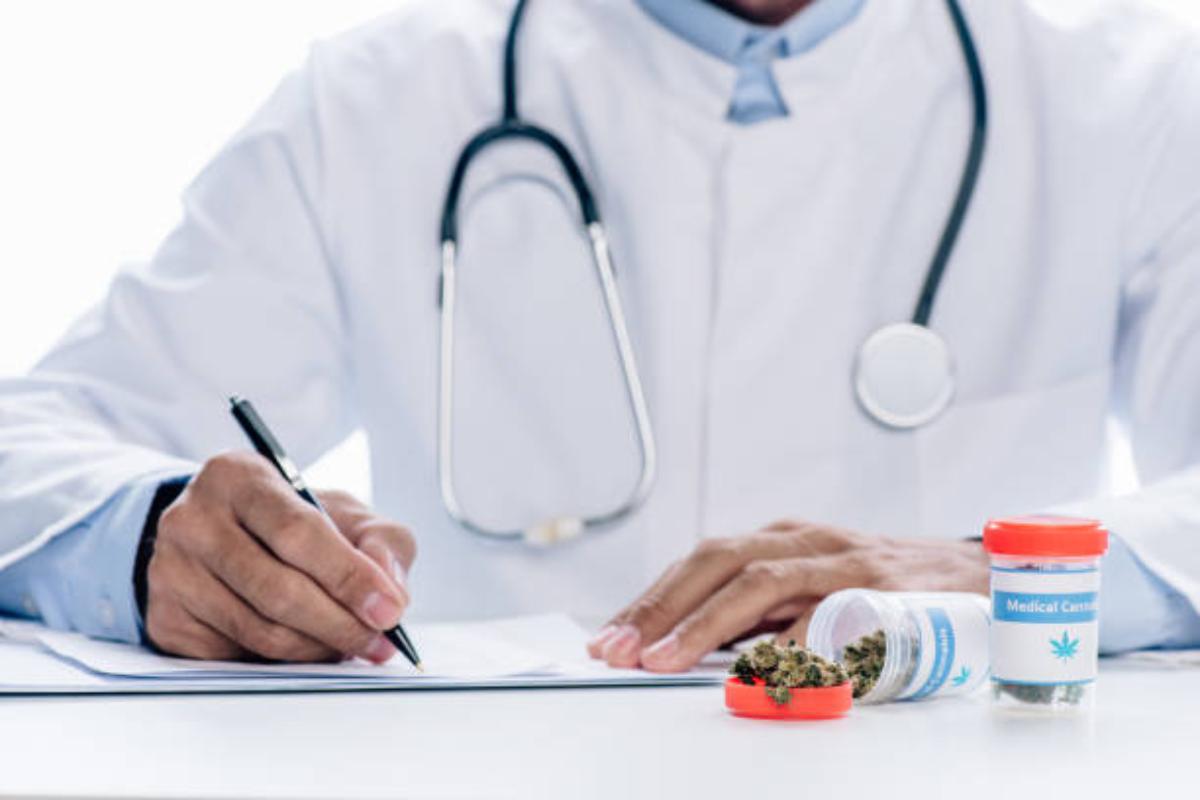
Medical marijuana is increasingly viewed not as a last resort, but as one tool within a broader, wellness-focused lifestyle. For many patients, cannabis isn’t about escaping daily life or feeling impaired—it’s about managing symptoms, improving comfort, and supporting overall balance. When used intentionally and responsibly, medical marijuana can complement modern wellness routines rather than disrupt them.
From Symptom Management to Daily Balance
Traditionally, medical marijuana has been associated with treating specific conditions such as chronic pain, anxiety, inflammation, or sleep disorders. While symptom relief remains central, many patients now think more holistically. Instead of asking, “Does this stop my pain?” they ask, “Does this help me function better throughout the day?”
This shift matters. A wellness-focused approach emphasizes consistency, predictability, and quality of life. Medical cannabis can help reduce physical discomfort, ease mental strain, or improve sleep quality—factors that directly influence mood, productivity, and long-term health. When symptoms are better controlled, it becomes easier to maintain routines like exercise, social interaction, and mindful habits.
Intentional Use Over Habitual Use
One of the key differences between recreational and medical use is intention. In a balanced lifestyle, medical marijuana is not used impulsively, but deliberately. Patients often learn which products support specific needs—calm focus during the day, relaxation in the evening, or physical recovery after activity.
Intentional use also means understanding personal limits. Rather than chasing stronger effects, wellness-oriented patients aim for stability and subtle improvement. This mindset aligns closely with other health practices such as nutrition planning, stress management, or physical therapy. Cannabis becomes a support system, not the center of daily life.
Supporting Mental and Emotional Well-Being
Mental wellness is a major reason people turn to medical marijuana. Stress, anxiety, and mental overload are common challenges in modern life, and unmanaged stress can spill into physical health problems over time.
For some patients, medical cannabis helps quiet racing thoughts or reduce nervous tension, making it easier to stay present and emotionally regulated. When mental strain is reduced, people often report better communication, improved patience, and greater emotional resilience. In this context, cannabis supports—not replaces—other mental wellness tools such as therapy, meditation, or journaling.
Physical Wellness, Movement, and Recovery
A balanced lifestyle usually includes some form of regular movement, whether that’s walking, stretching, gym training, or sports. Pain, stiffness, or inflammation can be major barriers to staying active, especially for those with chronic conditions.
Medical marijuana may help by easing discomfort before activity or supporting recovery afterward. When physical pain is better managed, patients are more likely to stay consistent with movement routines, which in turn supports cardiovascular health, mobility, and mood. The goal is not to mask pain recklessly, but to make healthy activity more accessible and sustainable.
Sleep as the Foundation of Wellness
Quality sleep is often underestimated, yet it underpins nearly every aspect of wellness. Poor sleep affects immune function, mental clarity, emotional regulation, and long-term health outcomes.
Many patients incorporate medical marijuana into an evening routine to support relaxation and more consistent sleep patterns. When sleep improves, daily life tends to improve with it—energy levels stabilize, focus sharpens, and stress becomes easier to manage. In a wellness-focused lifestyle, cannabis supports sleep as part of a broader nighttime routine that may also include reduced screen time, calming rituals, and consistent schedules.
Integrating Medical Marijuana Responsibly
Balance depends on structure. Patients who integrate medical marijuana successfully tend to pair it with healthy boundaries: using it at specific times, in specific situations, and for clear reasons. They also stay informed, communicate with healthcare professionals, and adjust their approach as their needs evolve.
Importantly, medical marijuana works best alongside—not instead of—other healthy behaviors. Nutrition, hydration, movement, social connection, and mental health care all remain essential. Cannabis simply helps remove obstacles that make these habits harder to maintain.
Obtaining a Medical Marijuana Card
For those interested in incorporating medical marijuana into their wellness routine, obtaining legal access is typically a straightforward and regulated process. Most states require patients to be evaluated by a licensed healthcare provider who can determine whether medical cannabis is appropriate for their condition. After approval, patients usually register with a state-managed program, submit basic documentation, and receive an identification card that allows them to purchase products from licensed dispensaries.
While the exact steps and requirements vary by location, the overall goal is to ensure safe, responsible use under medical guidance, making it easier for patients to integrate cannabis into their lifestyle with clarity and peace of mind. This general process also applies when researching how to get a medical card in Mississippi, where state-specific rules guide certification and registration.
A Tool, Not an Identity
In a truly wellness-focused lifestyle, medical marijuana is a tool, not an identity. It doesn’t define the person using it, nor does it replace personal responsibility for health choices. Instead, it supports a more comfortable, functional, and engaged life.
When approached with intention, education, and balance, medical marijuana can fit naturally into modern wellness routines—helping patients feel more like themselves, not less.